











Adjustable Band (AGB)
Multi-Complete 60 Bariatric Multivitamin with Iron, Chewable, Tropical
from £23.00
- Unit price
- £0.38/per item
You’re viewing 1-16 of 45 products
Adjustable band explained
An adjustable band, also known as an adjustable gastric band, is a type of bariatric surgery that limits how much food the stomach can hold. Although this procedure was widely used in the past, many patients now research it to understand how it works, how it compares to other surgeries and what the long-term implications are for nutrition and follow-up care.
Table of contents
- What an adjustable band is
- How an adjustable band works
- Why adjustable bands are less common today
- Adjustable band vs other bariatric surgeries
- Potential benefits of an adjustable band
- Nutritional impact of an adjustable band
- Why supplementation can still be necessary
- Long-term follow-up and possible revisions
- When to discuss alternatives with your care team
- Support you can rely on after adjustable band surgery
- Frequently asked questions about adjustable bands
What an adjustable band is
An adjustable band is a silicone band placed around the upper part of the stomach. This creates a small pouch that fills quickly during meals, helping patients feel full sooner. The band is connected to a port under the skin, which allows healthcare providers to adjust the tightness over time.
How an adjustable band works
The adjustable band does not change digestion or nutrient absorption directly. Instead, it restricts food intake by slowing the passage of food into the rest of the stomach. Adjustments can be made by adding or removing fluid from the band, allowing for personalized control based on weight loss progress and tolerance.
Why adjustable bands are less common today
Over time, insights into long-term outcomes have changed. While adjustable bands can support weight loss, results vary widely between patients. Some experience limited weight loss or complications that require additional procedures. As a result, many clinics now favor alternatives that offer more predictable long-term outcomes.
Adjustable band vs other bariatric surgeries
Patients often compare different bariatric approaches. Here’s how various procedures differ:
Adjustable band
Restriction: Restricts food intake only.
Digestion changes: No direct changes.
Long-term outcomes: Variable results.
Sleeve gastrectomy
Restriction: Reduces stomach size.
Digestion changes: Altered stomach capacity.
Long-term outcomes: More consistent weight loss.
Gastric bypass
Restriction: Restricts intake and absorption.
Digestion changes: Altered digestion and absorption.
Long-term outcomes: Strong long-term effectiveness.
Potential benefits of an adjustable band
Although used less frequently today, the adjustable band still offers some potential advantages for selected patients.
- Adjustability: the band can be tightened or loosened to suit individual needs.
- No intestinal bypass: digestion remains anatomically intact.
- Reversibility: the band can be removed if necessary.
Nutritional impact of an adjustable band
Because there is no bypass of the intestine, nutrient absorption is generally preserved. However, reduced food intake can still lead to deficiencies if meals are not well balanced. Careful attention to food quality and nutrient intake remains important.
Why supplementation can still be necessary
Even with an adjustable band, supplements may play a role in supporting long-term nutritional balance.
Daily support:
Bariatric multivitamins help cover essential nutrients when intake is limited.
Individual needs:
Additional iron may be recommended based on blood work.
Consistency:
Structured supplementation supports long-term health alongside regular monitoring, which is why our subscription option is perfect.
Long-term follow-up and possible revisions
Long-term success with an adjustable band depends on regular follow-up, lifestyle changes and nutritional monitoring. Some patients eventually consider revision to another bariatric procedure if results are insufficient.
When to discuss alternatives with your care team
If weight loss stalls, symptoms arise or nutritional concerns develop, it is important to consult your care team. Together, you can review whether adjustments, additional support or alternative procedures are appropriate.
Support you can rely on after adjustable band surgery
An adjustable band requires long-term attention to nutrition and follow-up. Celebrate Vitamins supports bariatric patients with supplements formulated according to ASMBS Guidelines, helping maintain consistency and confidence over time. Always discuss your nutritional approach with your care team to ensure it fits your personal situation and long-term health goals.
Shop Adjustable Band supplements from Celebrate Vitamins
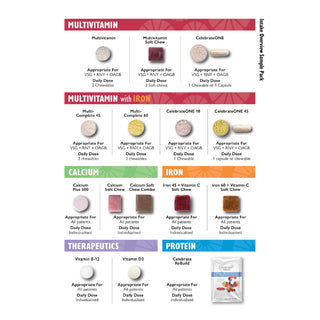
Explore Celebrate Vitamins’ collection of supplements designed to support daily nutritional needs after Adjustable Gastric Band (AGB) surgery; made to fit easily into your routine and support overall well-being.
Frequently asked questions about adjustable bands
An adjustable gastric band is a silicone band placed around the upper part of the stomach to create a small pouch. This pouch fills quickly during meals, helping patients feel full sooner. The tightness of the band can be adjusted over time by a healthcare provider.
Yes, adjustable bands are still used, but far less frequently than in the past. Long-term results can vary, and some patients experience complications or insufficient weight loss. Because of this, many clinics now prefer other bariatric procedures.
An adjustable band does not directly change how nutrients are absorbed because the intestines are not bypassed. However, reduced food intake can still lead to vitamin and mineral deficiencies over time. Nutritional monitoring remains important to prevent imbalances.
Yes, an adjustable band can be loosened or completely removed if medically necessary. Removal may be considered in cases of complications, discomfort or limited weight loss. Some patients choose to transition to another bariatric procedure after removal.